design + energy + excellence

Author: barros (Page 33 of 61)

From Wood to Energy

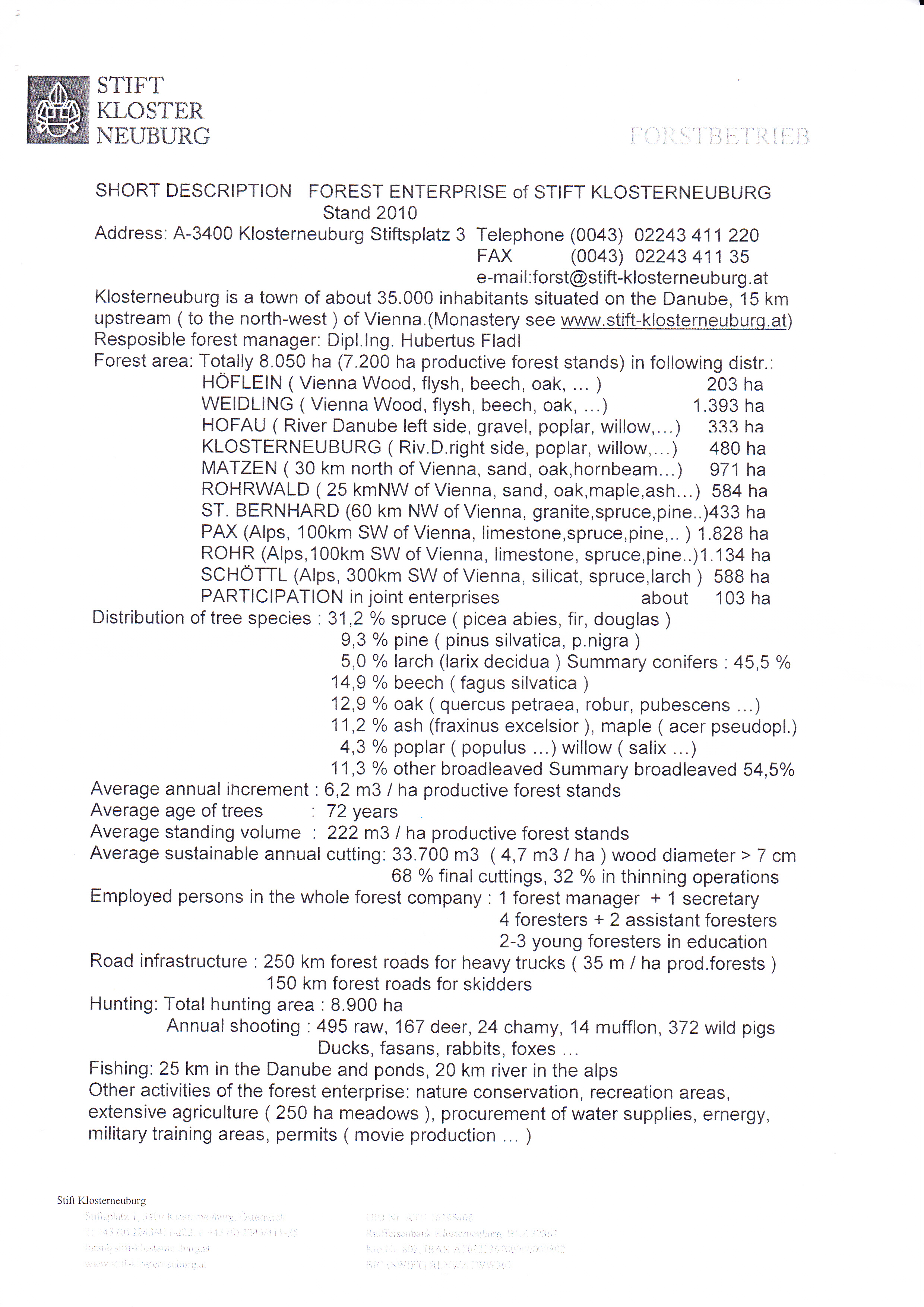
The Monastery of Klosterneuburg in Austria provides a fantastic example of autonomy, sustainability and a responsibility to both people and nature.

Their biomass heating plant was part of the Renewable Energy Research Trip to Austria.

This underground biomass heating plant built in just twelve months in 2003 not only supplies heating to the monastery but also provides power from renewable biomass to the hospital, the town hall and a leisure center in Klosterneuburg via the utility company.

The plant gets the wooden chips mainly from 4 forest districts nearby the plant (maximum transport distance 10km). The chip containers are filled every 2-3 months.

A 2.5 MW biomass boiler was constructed as well as an electricity and heat generation by an ORC (organic rankine cycle) process producing 200 kW of electrical energy and 1.0 MW of heat. The big boiler (2.5MW) is only used during winter time.

The assessment of the heating requirements of the monastery and of the neighbouring recreational centre “Happyland” resulted in an annual heat requirement of 11,550 MWh per year. In 2010 the biomass plant was able to produce 17,557MWh (see more facts on the images below).

More details about the operation of this biomass plant here.

The entire facility (heating plant, biomass storehouse, wine cellar, parking garage for buses and private vehicles) was built underground. This was a special challenge for the mechanical engineering team and the architectural concept was designed by Heinz Tesar.

 Stift Klosterneuburg_Biomass PlantStift Klosterneuburg_Biomass Plant

Stift Klosterneuburg_Biomass Plant

Access to the underground biomass plant

Stift Klosterneuburg_Biomass Plant

The wood chips were quite warm to the touch

Stift Klosterneuburg_Biomass Plant

Stift Klosterneuburg_Biomass Plant

Hatch from where the chips are unloaded

2011_11_23_Smart City Project Klosterneuburg (25) 2011_11_23_Smart City Project Klosterneuburg (30) 2011_11_23_Smart City Project Klosterneuburg (36) 2011_11_23_Smart City Project Klosterneuburg (37)

Stift Klosterneuburg_Biomass Plant

Organic Carbon cycle

Stift Klosterneuburg_Biomass Plant

From the forest to the heating plant

Stift Klosterneuburg_Biomass Plant

Biomass power generation process

Insulation Materials – All You Need to Know

It is easy to get confused when selecting insulation materials. There are different types of insulation, each with different forms and shapes, and a range of different properties.

Thermal properties are the primary consideration in choosing insulations.

The insulation material you choose depends on:

–  how you will use it,

–  where you will use it (there are recommended U-values for different areas of the building fabric, see below Diagram 1 from Part L of the Irish Building Regulations),

– and how much you are willing to spend.


We want to share with you two of our favourite articles/websites with helpful and unbiased information:

1 – What’s the best insulation material to use in eco renovation? by David Thorpe, and available in SuperHomes.

2 – Insulation materials 1 – Introduction by GreenSpec.


On these websites you can find answers to specific questions like:

Why should I insulate and where?

Which form of insulation material is best to use where?

How much insulation do I need?

What is the best insulation for health and climate?

Which is the best insulation for cost by volume?

What is the best insulation material for thermal performance?


You can also find detailed information about the properties of the different types of insulation:

Insulation materials 2: Plant / animal derived

Insulation materials 3: Mineral

Insulation materials 4: Oil-derived


In Ireland, Part L of the Irish Building Regulations deals with the conservation of fuel and energy. Part L is a complex and important regulation that provides guidance to ensure a better energy performance.

Diagram 1 of Part L summarises the minimum fabric insulation standards applicable in Ireland.

Part L - Irish Building Regulations - Fabric U-values


If you are still confused after reading all this information please contact us  before you make costly decisions. We can review your existing conditions, discuss options and make recommendations to improve the energy performance of your building in a sustainable and cost effective way.

« Older posts Newer posts »