design + energy + excellence

Category: Construction (Page 10 of 14)

Construction Costs in Ireland 2013

Click here for our most recent post about Construction Costs in Ireland (2014).

Calculating the construction costs for your project is not an easy task. Every year we publish some guidelines and average prices to help you getting an approximate figure.

Our posts about Construction Costs are very popular and provide useful information to guide you on the costs for your construction project in Ireland.

We have seen an increase in tender prices since contractors have realised that below cost tendering is not sustainable.

Although the reduction in construction prices has been reversed there is still very good value to be had, says Bruce Shaw’s latest report.

The newly amended Building Control Regulations will come into effect on March 2014. While these changes aim to protect the consumer lets not forget that the additional requirements imposed by them will also increase the overall construction costs.


Average Irish Construction Prices 2013

The average construction costs table is generated using Bruce Shaw’s Cost Database and sets out typical building construction costs.

(Click image to enlarge)

Bruce Shaw Average Irish Construction Costs 2013


Labour Rates

Labour rates were reduced by 7.5% in February 2011. We could not find updated data in relation to 2013 rates but the lack of skilled workmanship may turn this trend around.


Construction Materials Prices

In May 2013 the CSO recorded that all building and construction materials prices increased by 1.1% in the year since May 2012. This is 1.9% less than what was recorded during the same period last year.

The most notable yearly changes were increases in Glass (+10.4%), PVC pipes and fittings (+9.9%) and Stone (+4.7%) while there were decreases in Paints, oils and varnishes (-5.8%), Other Structural steel (-3.8%) and Hardwood (-3.8%).


Guide to Rebuilding Costs in Ireland

The Society of Chartered Surveyors publishes every year a guide to rebuilding costs in Ireland. This guide is intended to assist in insuring a house and the costs included are based on building rates as of March 2013. Click here to read the full publication.

(Click image to enlarge)

SCSI House Rebuilding Costs per sqm 2013


The Society of Chartered Surveyors website provides a handy House Rebuilding Calculator. This calculator can be used as a guide to give you a minimum base cost for your construction project.


Typical Exclusions

The above Irish Construction Costs should be used only as guidelines. There are a number of exclusions that you should also consider, and there is one that you cannot even calculate – risk.

Some of these exclusions will apply to your project others will not. But typically they will be:

  • Land Acquisition costs
  • Legal fees
  • Site investigation and surveys
  • Archaeology survey / excavations
  • Planning fees and charges
  • Architect fees
  • Structural Engineer fees
  • Quantity Surveyor fees
  • Energy Consultant fees
  • PSDP & PSCS fees
  • Financial contributions (Local Authority Contributions)
  • Utility suppliers fees & charges
  • BER Certs
  • Air Tightness Specialist
  • Inflation
  • VAT
  • Contingency
  • Loose furniture, fittings and equipment
  • Financing costs
  • Fire certificate fees

 

Check out our other articles in this series.


Visit to First Green Building Supermarket in Europe

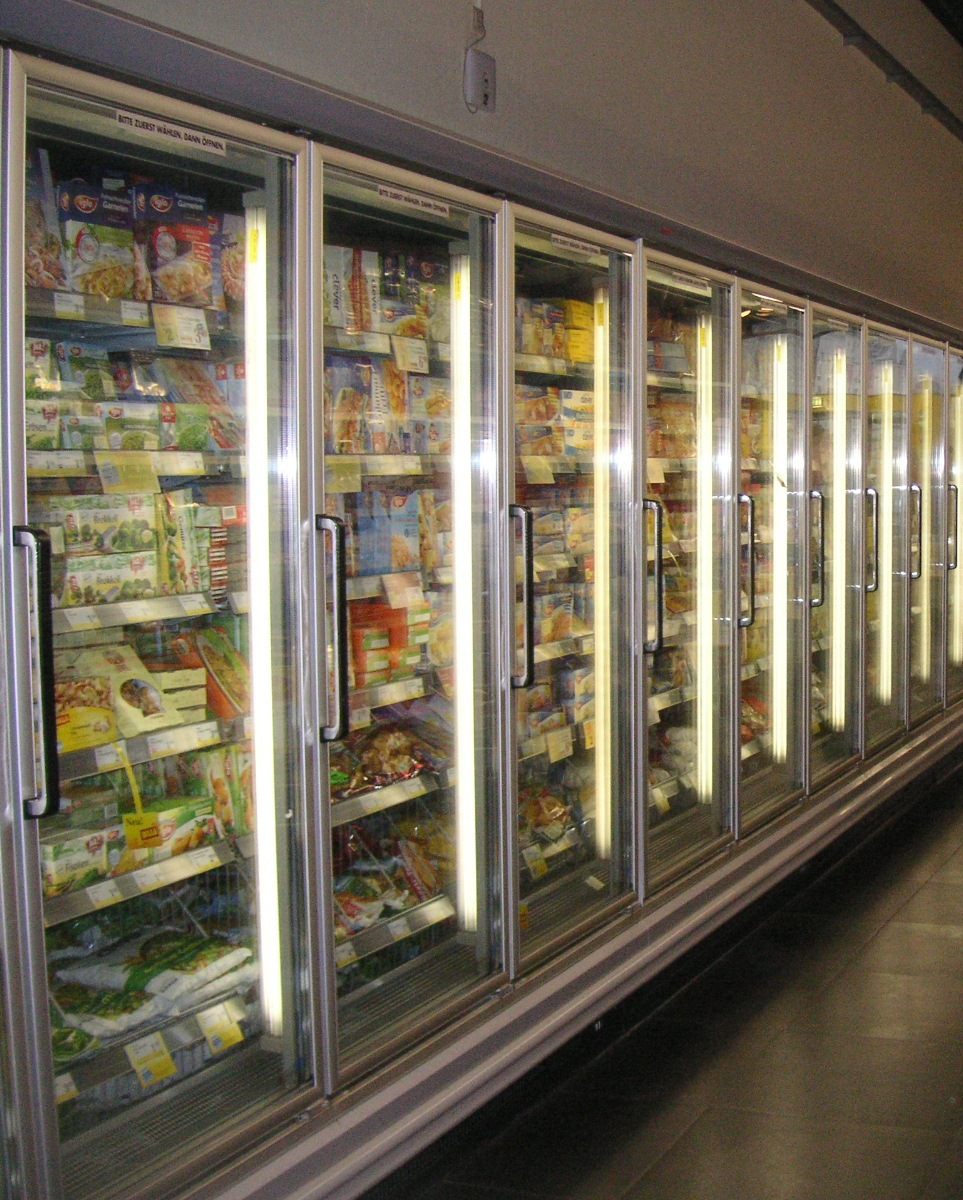
The Billa Supermarket in Klosterneuburg, Austria is the first supermarket in Europe to be awarded EU Green Building Certificate.

This visit was part of the Renewable Energy Research Trip to Austria that took place in November 2011.

GreenBuilding is a voluntary programme which was initiated by the European Commission in 2005. The programme intends to raise awareness and trigger additional investments in energy efficiency and renewable energies among owners of non-residential buildings and to give advice and public recognition to those, who are ready to implement ambitious measures in their buildings, resulting in substantial energy savings. These savings not only contribute to the European fight against climate change, but make also good business sense as it will reduce energy costs.

billa klosterneuburg supermarket austria

Energy Concept

1. Use of low energy refrigeration

• Generous evaporator surfaces

• Specially designed air duct

• Use of energy-saving air circulation fans – consumption per fan: 7-9 W

• Electronic regulation of the panel heaters

billa klosterneuburg supermarket austria


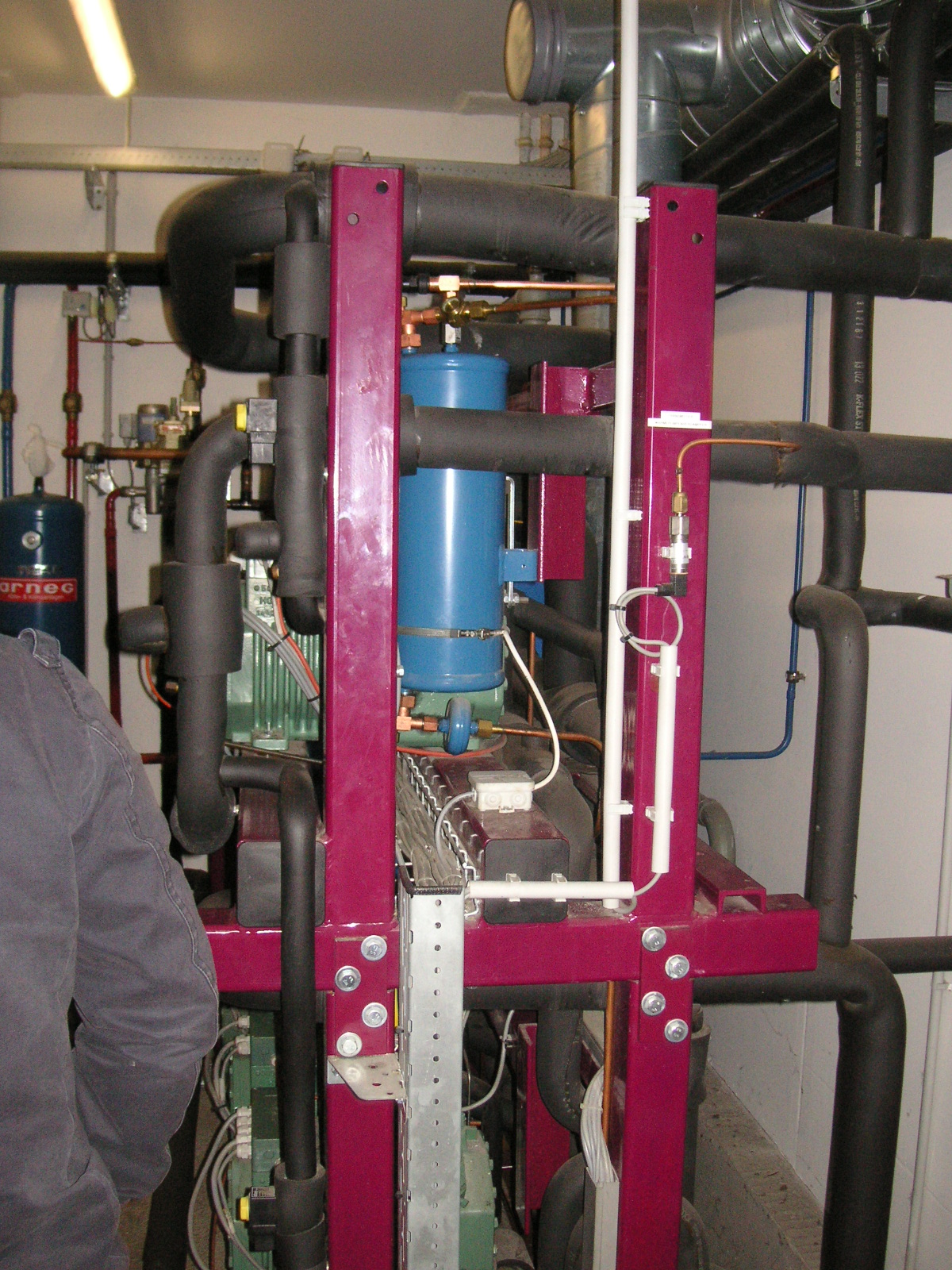
2. Refrigeration systems, condensers and heating systems

• Complete heat recovery from refrigerators is used to heat the supermarket

• Additional heat energy during the cold season can be extracted by the partial use of the refrigeration system as a heat pump

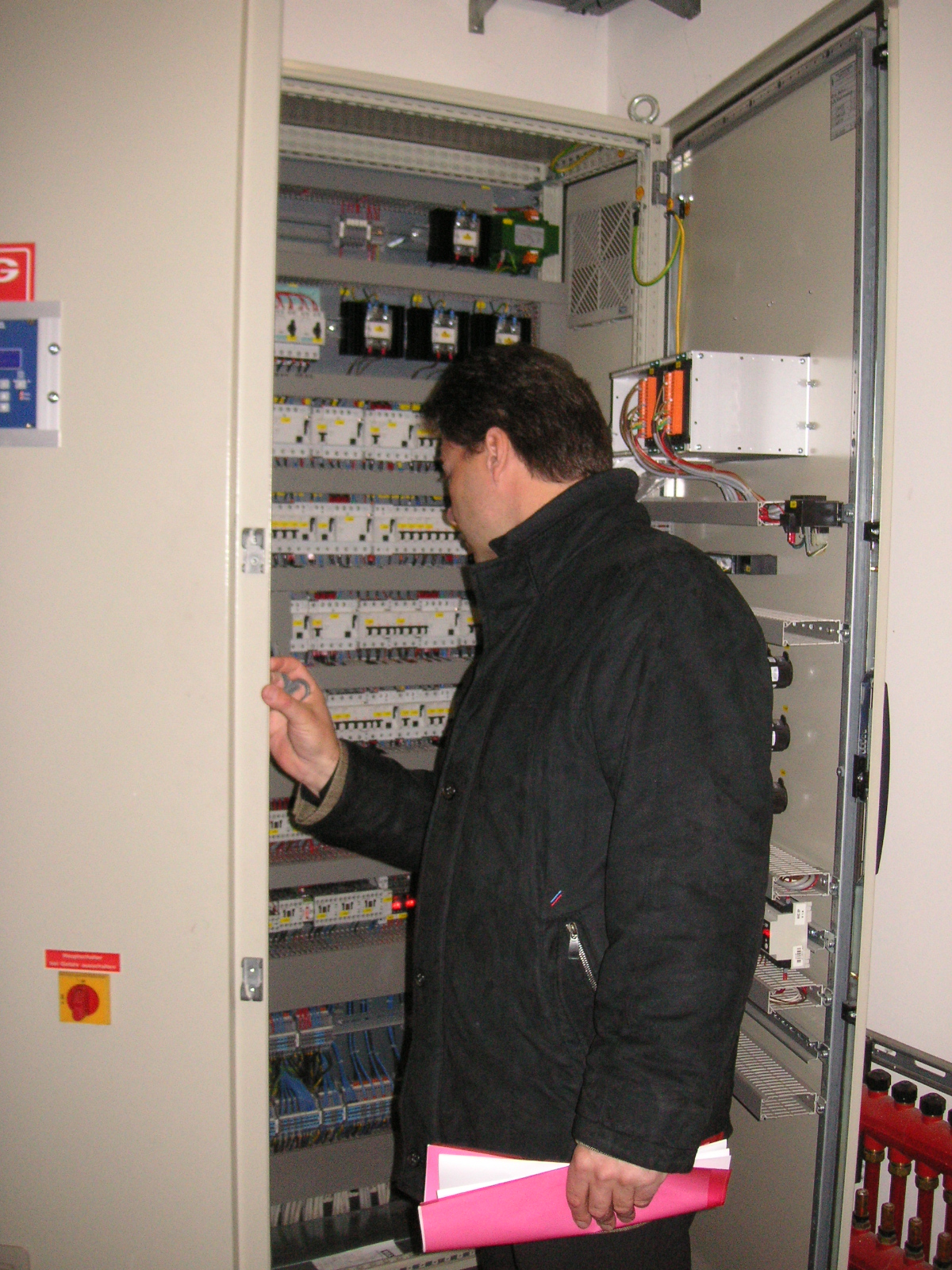
• Special electronic control of the refrigeration systems, reacting to the surrounding temperatures

• Use of special electronic system for cooling and heating system

3. Use of energy saving plant

• Short payback periods (4.5 years)

• Reduction of operational and connection costs

• Constant control of the cooling temperatures

• Extended service life of the compressor by minimizing the frequency of switching

• No building work for heating systems required

billa klosterneuburg supermarket austria billa klosterneuburg supermarket austria


Fact sheet

Sales area: 600 m²

Storage and ancillary area: 200 m²

Year of construction: 2007

Wall construction: Reinforced concrete 20 cm + Rock wool 16 cm + OSB 2.6 cm

U-value External walls: 0,23 W/m²K

U-value Windows: Glass 1,1 W/m²K, Incl. profile: 1.8 W / m² K, Total construction: u = 1.31 W / m² K

Roof construction: 1.8 mm SARNAFIL roof membrane, EPS 20 cm, PAE film LD 920 trapezoidal sheet

U-value Roof: 0,18 W/m²K


Who can participate in GreenBuilding?

• Owners of non-residential buildings; they can become GreenBuilding Partner.

• Businesses from the building sector, contributing to energy efficiency in the non-residential building sector with their products or services; they can become GreenBuilding Endorser.


How to become GreenBuilding Partner

For becoming GreenBuilding Partner, you need to implement energy efficiency measures in your building(s):

• Refurbishment of existing non-residential building(s): primary energy consumption reduced by at least 25% (if economically viable), total or related to the end-use or subsystem, which is being modernised.

• New non-residential building(s): primary energy consumption 25% below building standard (if economically viable) or below the consumption of “conventional” buildings presently constructed.

• Building(s) already renovated or refurbished (after 01.01.2000): primary energy consumption reduced by at least 25% or the building(s) consume 25% less energy than required by the national building standard in force at that time.


There are three steps in becoming a GreenBuilding Partner:

1. Performing an Energy Audit

2. Development and submission of an Action-Plan based on the audit, describing the measures to be performed

3. Reporting about the success of the Action-Plan implementation


Visit the The European GreenBuilding Programme Website for more information.


Isabel Barros


Irish Construction Costs 2012

Our posts about Construction Costs are very popular and provide useful information to guide you on the costs for your construction project in Ireland.

The latest publication from Bruce Shaw – Bruce Shaw Handbook 2012 – shows that tender prices bottomed out and prices rose by 2%. Bruce Shaw is one of Europe’s leading quantity surveying practices, they provide construction cost management, construction project management and consultancy services.

Prices are still at levels not seen since the late 1990’s but it seems that the race to the bottom has halted, says the publication.

Below cost tendering is not sustainable and many contractors and sub-contractors have realised that.

Bruce Shaw predicts that prices will remain very competitive but they will rise by a further 3% during 2012.


Average Irish Construction Prices 2012

The average construction costs table is generated using Bruce Shaw’s Cost Database and sets out typical building construction costs.

(Click image to enlarge)

Average Irish Construction Prices 2012, Construction Costs Ireland

Average Irish Construction Prices 2012. Source: Bruce Shaw


Labour Rates

Labour rates were reduced by 7.5% in February 2011 (after prolonged negotiations with the construction trade unions). Below is a graphic showing Irish construction labour rates since 2005.

It is interesting to note they remained unchanged between 2008 and 2011. We believe they will stay at this level for a good few years but the lack of skilled workmanship may change this at any moment.

(Click image to enlarge)

Construction Costs Ireland 2012 - Wages

Basic Hourly Wages in Ireland. Source: Bruce Shaw


Construction Materials Prices

Bruce Shaw Handbook notes the prices of some materials are reducing also but by less than might be expected since local manufacturers are experiencing smaller production volumes and imported commodities such as steel and copper reflect global demand.

This, however, contradicts the latest price index published by the Central Statistics Office of Ireland in May 2012.

In May 2012 the CSO recorded that all building and construction materials prices increased by 3.0% in the year since May 2011.

The most notable yearly changes were increases in Stone (+11.3%), Sand and gravel (+9.8%) and Paints, oils and varnishes (+7.4%) while there were decreases in Other steel products excluding structural steel and reinforcing metal (-2.3%), Plaster (-1.9%) and all other metal fittings (-1.8%). All building and construction material prices increased by 0.2% in the month. Click here to read the full publication.


Guide to Rebuilding Costs in Ireland

The Society of Chartered Surveyors publishes every year a guide to rebuilding costs in Ireland. This guide is intended to assist in insuring a house and the costs included are based on building rates as of March 2012. Click here to read the full publication.

(Click image to enlarge)

Rebuilding Costs Ireland March 2012

Table of Rebuilding Costs March 2012. Source: Society of Chartered Surveyors.


Overall, it is still a good time to build, particularly if you can finance it yourself.

Check out our other articles in this series.

« Older posts Newer posts »